Key Points:
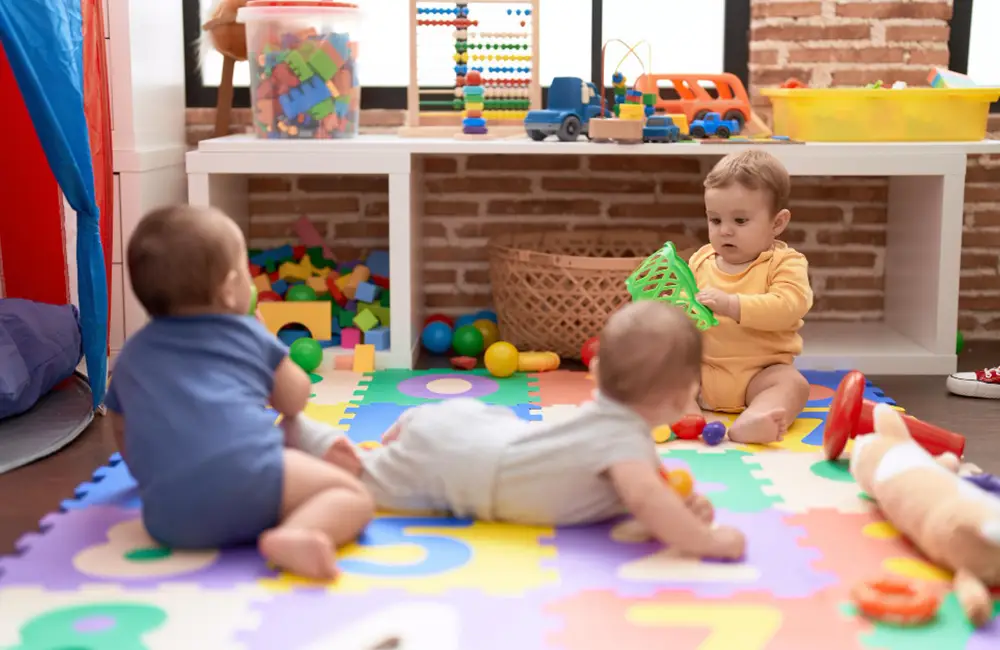
- Kids don’t play outside in the winter. Therefore, they want different fun indoor activities that balance the cold weather and child development.
- These can be played at home and in daycare centers, too.
- If kids learn and play in a fun manner, their brains will develop better.
Introduction
We are about to welcome the winter season, and most of the kids will stay indoors. That’s where winter fine motor activities come in handy to improve the physical and mental health of kids. We also understand that there are very limited options to keep kids engaged indoors, especially in the winter season. But where to find a bunch of such activities, so kids won’t get bored with playing the same thing over and over.
That’s why we have compiled a list of the top 10 engaging fine motor winter activities to keep your kid busy while improving their muscle and mental strength. To know all of them, you have to read this blog by the end. So, let’s start it right away!
Top 10 Winter Fine Motor Activities
1. Harmless Painting Time
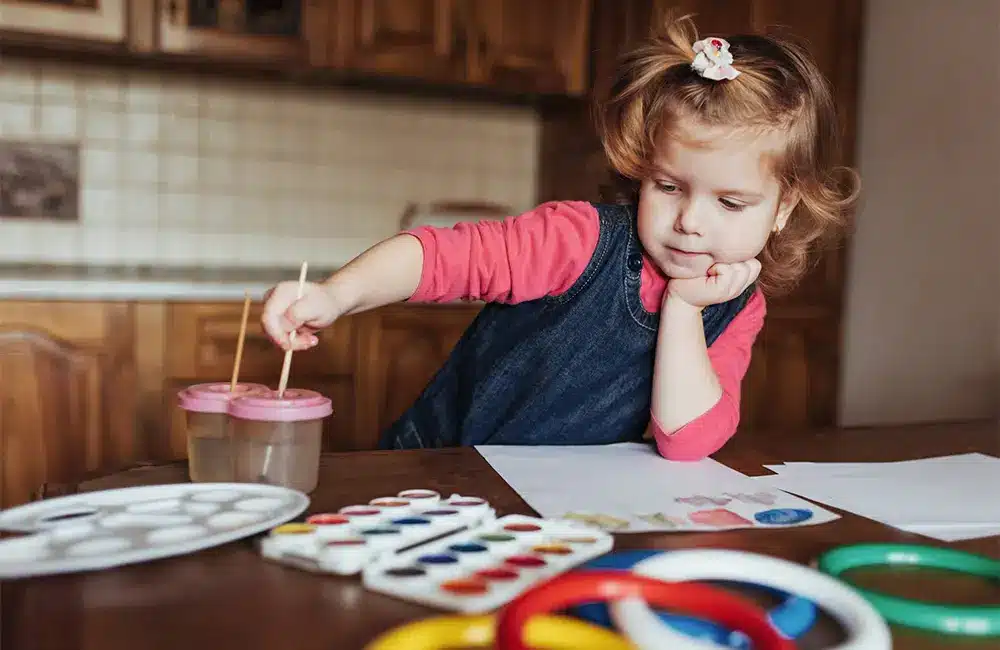
Fill a big zip-lock bag with extra paint and then seal it with tape. Ask children to draw the shapes, figures, or letters using cotton swabs on it. This way, they can be good at writing the alphabet and numbers.
Useful Tip: Teachers can use hair gel for the same thing and save paint for another activity.
2. Tennis Ball Monsters are Cute

It is a great idea to develop the muscles of the fingers and hands.
To make the monster, you have to take a tennis ball, then make a hole in it to form a mouth, and then paste the circles or use buttons for eyes. You can ask your students to feed the monster marbles.
3. Shaving Cream Everywhere
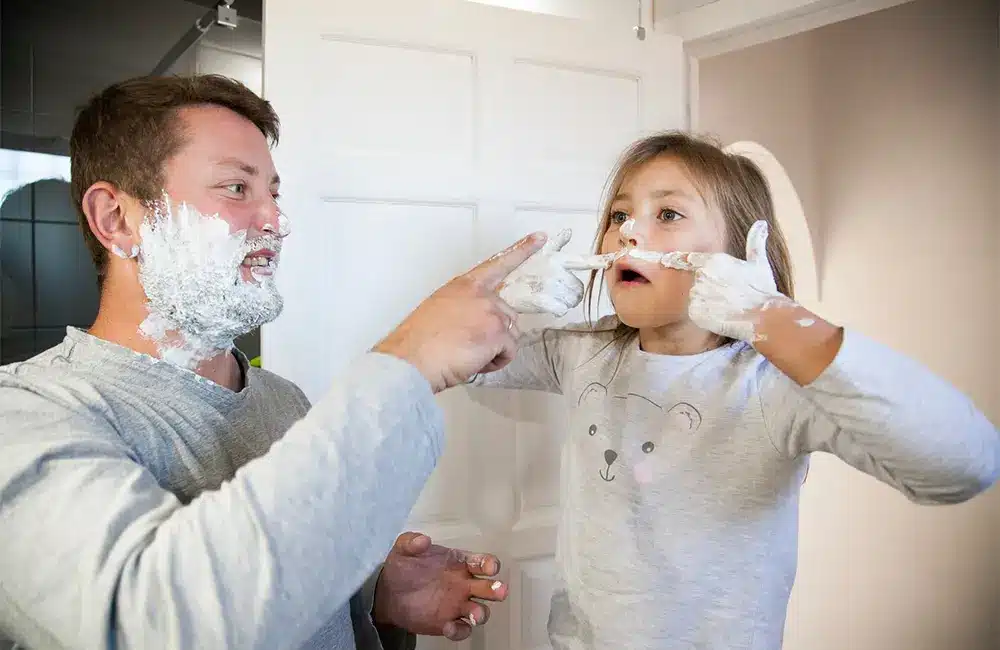
Although this is old, it’s still an effective technique.
You can use shaving cream to practice with letter writing and drawing the shapes while cleaning the desks. Muscles work very well with this technique. It also provides a cooling sensation on their fingertips, which is very new to them.
4. Pom Pom Time
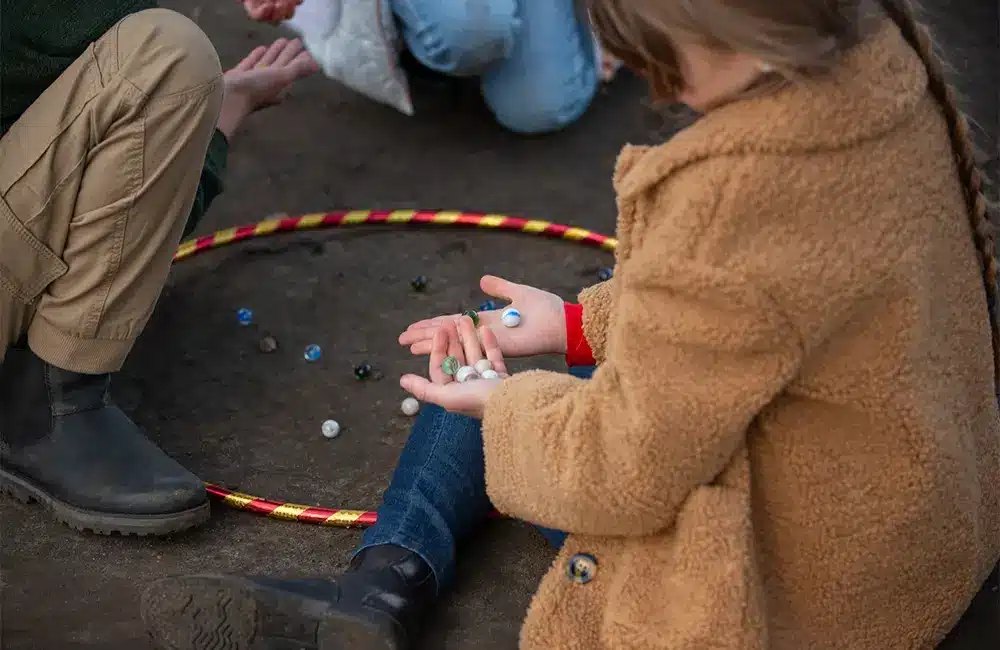
You can gather a bunch of marbles or pom poms and then ask kids to sort them using tongs in an egg carton. Popping fidget toys can be used too to place small round things.
Now, there are activity cards with different colored pages where kids can sort pom-poms by color using tweezers.
5. Fly Swat Threading Fun
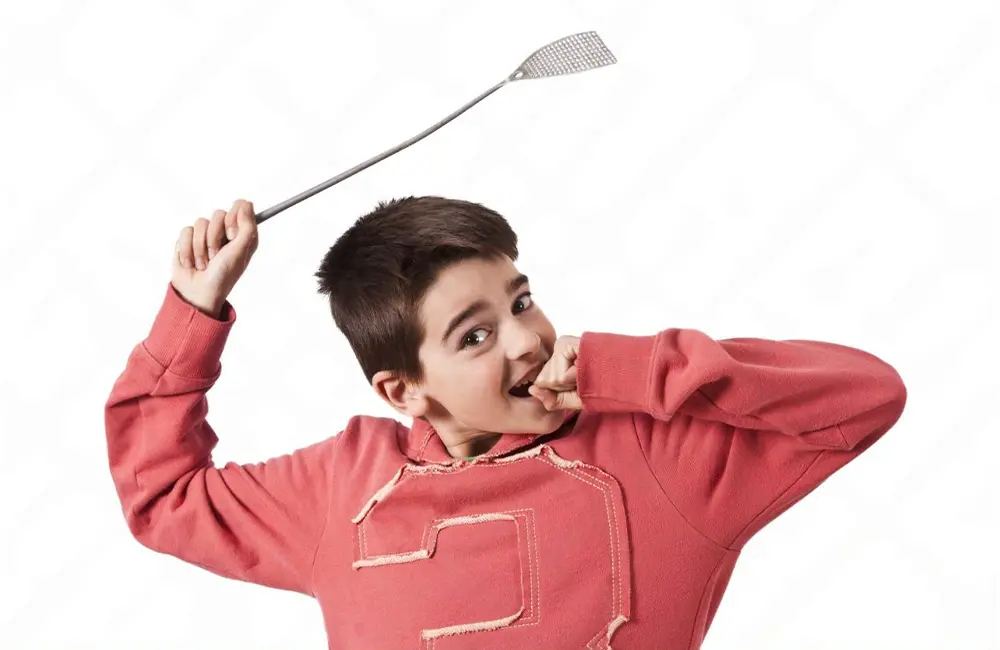
Go to the nearby dollar store and get some fly swatters, but they should have tiny holes. Ask your students to pass the threads through the holes. It is very good for strengthening the coordination between hands and eyes, and also building better finger dexterity.
We know that the threading act requires precise movements of fingers, so this way, kids refine the movement of their fingers with control. It’s very important for activities like writing, drawing, and buttoning clothes.
6. Clothespins for Better Grasp
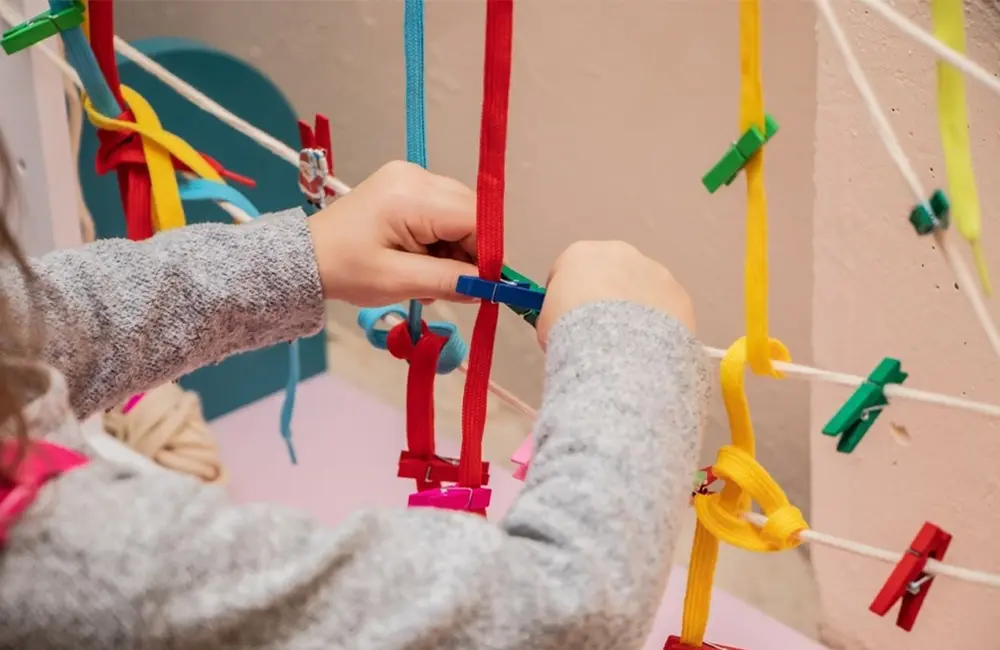
This activity lets students develop their grasp of pinching and helps them correctly hold a pencil. You can start by giving every student a cup and a few clothespins. Then, you have to ask them about how many pins they can clip to the top of the cup. This will help kids to have better control over their minds and hands in a coordinated way.
7. Balance the Marble
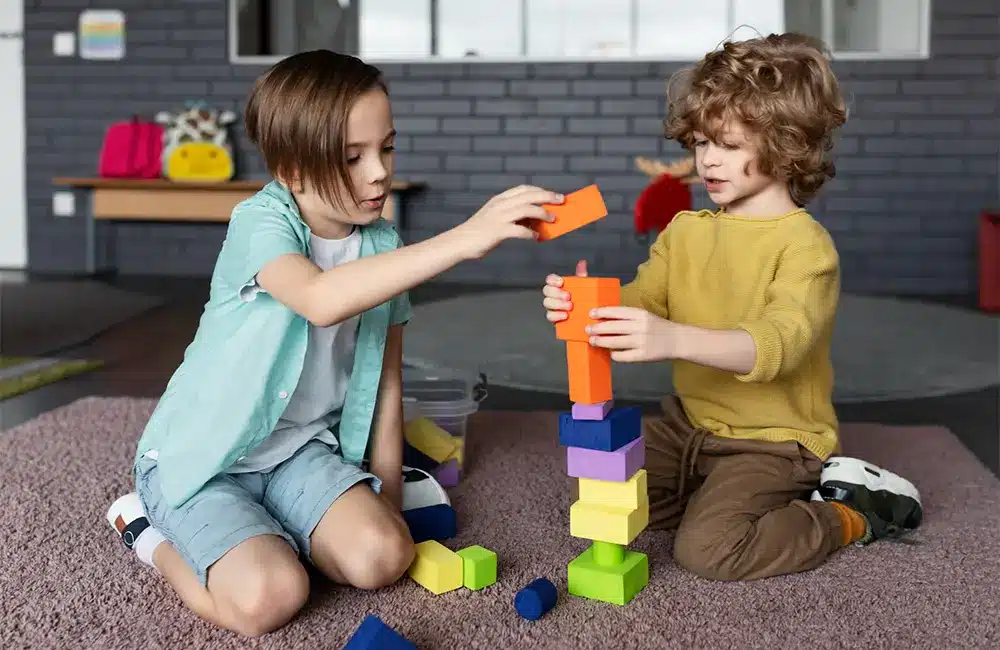
You’ll be needing either LEGOs or DUPLO blocks and a few marbles.
This one is very popular among kids as well as teachers. In this activity, students are asked to balance the marble on the small, round top of each block. It’s not very easy and not complicated, but it sounds very interesting to the kids. They can play for hours with this.
8. Cheerios to Cheer
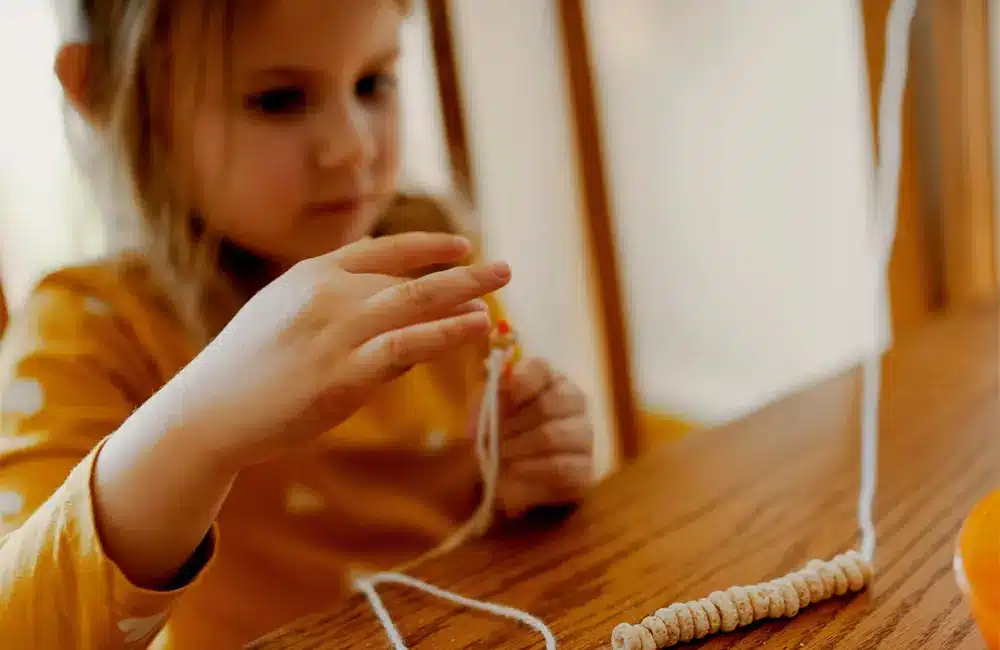
Use a piece of raw spaghetti or an unused straw. Then, string the cheerio with it. To continue, use the string. When a kid uses both hands to complete different tasks at the same time, it helps in improving the visual motor coordination with the mind control.
It’s the best way to learn how to attach the pin of a zipper and pull the chain slider.
9. Snowman but without Snow

Kids love making snowmen, but they may get sick of doing this. Therefore, we have a better idea.
By using play-dough, kids can make snowmen, like whoever they want them to be. This way, they’ll enjoy themselves without getting sick or being prone to colder environments. Teachers love this, too.
10. From Popsicle Sticks to Snowflakes
Kids can use the popsicle sticks to make snowflakes. Show them by arranging and gluing the sticks together in the right manner to give it the correct shape. You can also ask kids to decorate it with multiple items like balls of cotton, confetti, or glitter to make it look closer.
Why Are Winter Fine Motor Activities Important for Early Childhood Development?
These activities are, without a doubt, very important for kids. This way, they’ll build small muscles in their fingers and hands. Later, the same muscles will be used in writing, lacing the shoes, and unbuttoning clothes.
Also, these activities are the best as they attract kids to stay indoors while having fun. They can play with paints, stickers, puzzles, marbles, etc. And the activities we mentioned, won’t only help in passing the time but also improve coordination, problem-solving skills, and focus in kids.
If you are about to put your kid into a daycare but want to look for the best option that ensures having these kinds of fine motor activities in winter for kids, then Growing Seeds Academy is the best choice you have. We provide different programs, including infant programs, toddler programs, preschooler programs, and much more to discuss.
And the best part is that we have teachers who speak different languages, including Russian, Hindi, Portuguese, and Spanish. To know more, call us now!
Frequently Asked Questions
1. Is clapping included in the fine motor skills?
Yes, it comes under the category of fine motor skills. Clapping helps to build the hand and finger muscles. Around the eleventh month, they start clapping with their hands, grasping and pulling them apart.
2. What causes delays in fine motor skills?
Typically, premature babies face delays in this manner, as do kids with muscular dystrophy, Down syndrome, or cerebral palsy. It can also happen because of poor vision, dyspraxia, and other issues.