The growth of babies is an incredible process. They pass through many stages as they grow every day. Parents love to watch each stage of their baby’s development. When they are born, they cannot control their body movements freely, but within a few months, they start to crawl. It’s a complicated development process.
Their bodies and minds learn new things. Two key parts of this growth are fine motor skills and gross motor skills. Let’s look into the difference between fine motor vs gross motor skills in simple words.
What Are Gross Motor Skills?
These skills involve the big muscles of the body, including the muscles in the arms, legs, back, and neck. Humans need muscles to show body movements. We use them to move, sit, and walk. Infant motor skills are connected with muscle movements and support balance. They are the base for many later activities.
Here are some examples of gross motor milestones in infants:
- Holding the head steady
- Rolling over
- Sitting without help
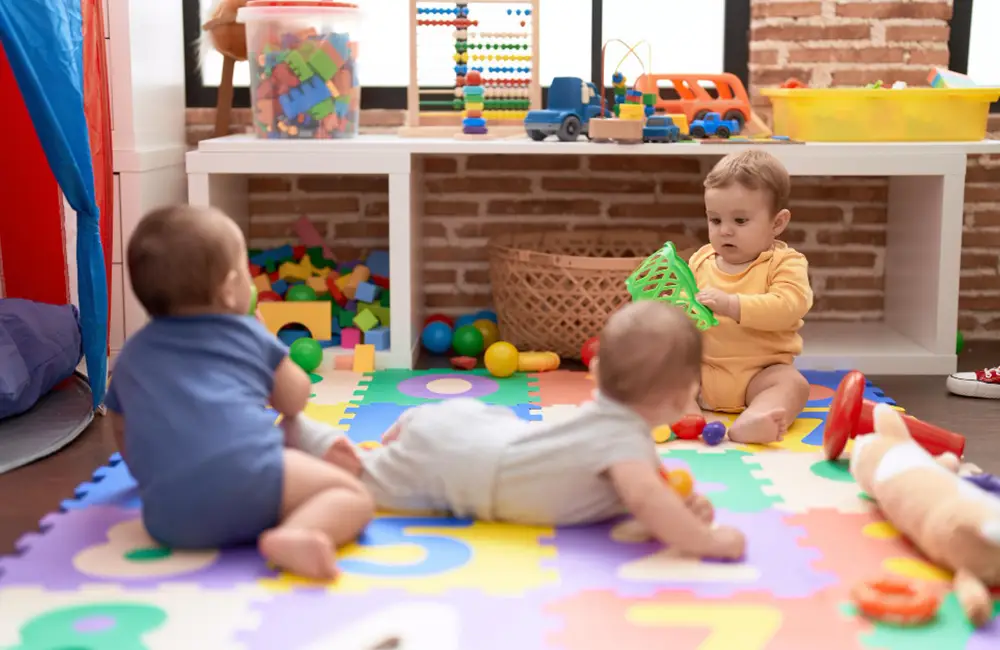
- Crawling on hands and knees
- Standing with support
- Walking with or without help
These skills develop slowly. At first, the baby may just raise their head occasionally. Later, the same baby may crawl across a room. Gross motor development means learning to control the body in bigger ways.
What Are Fine Motor Skills?
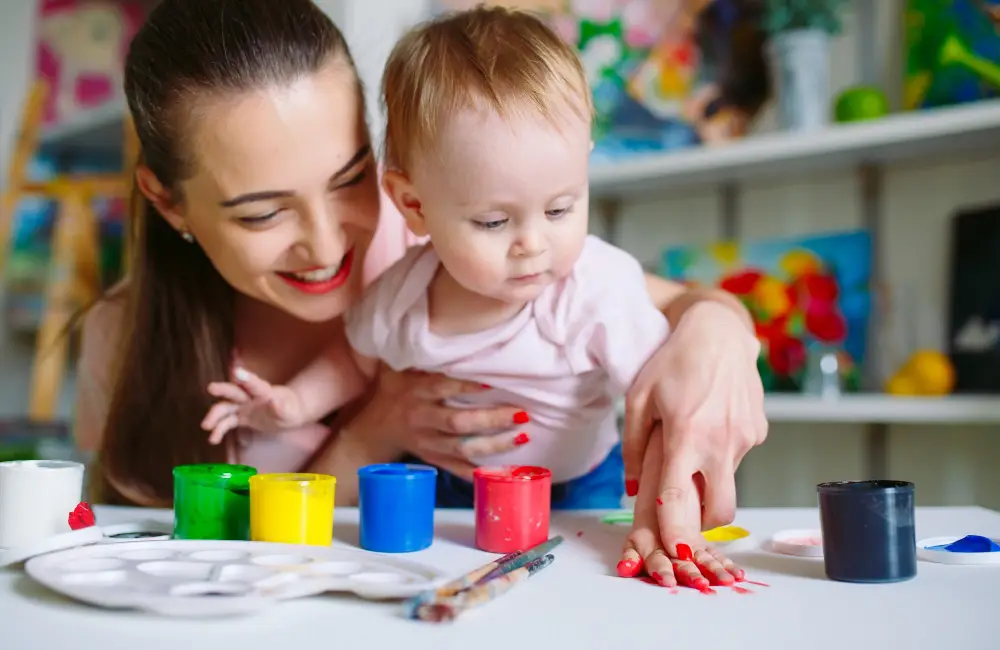
These skills are tied to the small muscles. It can be the muscles of the hands and wrists. Why do we use the small muscles? Mostly to grab things or to eat food. Playing with objects is a perfect example of fine motor skills.
Some examples of fine motor skills in infants:
- Holding a finger or a toy
- Reaching for an object
- Picking a toy from one hand and passing it to the other hand
- Picking up food with fingers
- Pointing at things
- Turning pages in a small book
Fine motor skills are dependent on hand-eye coordination. In simple words, babies will be attracted to touch what they see. They instantly grab the items. It works with the coordination of brain signals and hand movements.
Which Develops First?
There is no single answer, but gross motor skills usually develop first. Why does this happen? Babies need strong and big muscles. It’s important to control their small muscles.
You will get a better idea with this example: a baby cannot grab a toy if they cannot sit up straight. So, the back muscles will develop first, and then the finger muscles. Sitting uses gross motor skills. Grasping the block uses fine motor skills.
Gross motor skills are the base. Fine motor builds on that base. Without balance and strength, small hand movements are harder.
Why Does It Matter?
The most critical part is the order of development of motor skills by age. But why is it essential? Babies grow step by step. They form new skills when the previous ones are working. You should learn about these skills so you can support their fine motor skill development process.
Parents often get stressed if their baby doesn’t sit up on time. If you know about the stages, you can stay away from this stress. For example, a baby who is not yet grabbing food may simply be working on sitting balance. Once sitting is strong, the hands can follow.
This order also matters for future learning. A child who can crawl gets confident. Strong big muscles support strong small muscles.
Stages of Early Childhood Motor Development in Infants
Let’s look at the baby development timeline.
- 0 to 2 months: Lifts head and kicks legs.
- 3 to 4 months: Rolls from belly to back. Holds head steady.
- 5 to 6 months: Sits with support. Starts to push up on arms.
- 7 to 9 months: Sits without help. May begin to crawl.
- 10 to 12 months: Stands holding furniture. May walk with support.
Each baby is different. Some may crawl earlier. Some may walk later. You should only think about their steady progress.
Stages of Fine Motor Development in Infants
Now, let’s look at fine motor stages.
- 0 to 2 months: Grasps a finger when placed in the hand.
- 3 to 4 months: Reaches for toys. Holds objects briefly.
- 5 to 6 months: Transfers objects from one hand to another.
- 7 to 9 months: Uses raking motion to pick things up.
- 10 to 12 months: Picks up small objects with thumb and fingers. Points at things.
Note that babies develop at varying rates. Everyone has a different timing, but the sequence is normally the same.
Fine Motor vs Gross Motor Skills – A Quick Comparison
| Aspect | Gross Motor Skills | Fine Motor Skills |
| Muscles Used | Large muscles (arms, legs, back) | Small muscles (hands, fingers) |
| Examples | Sitting, crawling, walking | Grasping, pointing, turning pages |
| Develops | First | After gross motor skills |
| Purpose | Strength, balance, movement | Control, precision, coordination |
Why Parents Should Watch Both Skills?
We have seen parents who stress over why their baby is not walking. They consider walking and talking as the major development. You must learn about gross and fine motor skills to know about your baby’s development cycle.
For example, a baby who is moving well but not holding things will need extra support. A baby who holds things but cannot sit needs some other type of help.
Learn the difference so you know what support your child needs. Parents must select some play activities that follow the stage. If your baby is small, give them ample tummy time. It will build their big muscles. Older babies get help from small toys in training their fingers.
How to Support Gross Motor Skills?
Parents can do simple activities to support gross motor skills. Check out these examples:
- Tummy time each day
- Helping the baby roll over
- Sitting the baby with support
- Encouraging crawling with toys
- Helping the baby pull up to stand
- Walking with the baby
Activities to Help Fine Motor Skills
Fine motor skills can also be developed at home. These simple games strengthen the small muscles. Examples:
- Give them small toys to grasp
- Giving soft blocks to stack
- Letting the baby turn pages in a board book
- Offering finger foods
- Giving toys that squeak or rattle
- Playing with stacking cups
Common Concerns Parents Have
Some parents worry when their baby seems late in one area. First things first: development delays are a normal part of the process. It’s not something you should worry about. Some little ones skip crawling and start walking directly. A few babies can grasp things, but do not sit without support..
Parents should talk to a doctor if they see no progress at all. You can try the skill development practices at home. It’s better to get professional help from Growing Seeds Academy, which supports early development in babies.
Wrap Up!
Now you might have a clear difference between fine motor vs gross motor skills. To wrap up, gross motor skills develop first in infants. Fine motor skills follow. Both are important and connected. Gross motor gives strength and balance. Fine motor gives control and detail. Babies need both skills equally to grow well.
Parents, guardians, and caregivers are a vital part of their growth cycle. They can support this growth by ensuring the best practices. They should provide opportunities for safe play and encourage babies to explore.
Growing Seeds Academy supports the development of babies in every way. Our daycare is a safe environment. Our staff understands the gross and fine motor development processes.
Frequently Asked Questions
1. What are gross motor skills in infants?
These types of motor skills are the movements that involve big muscles. Examples are sitting and walking.
2. What are fine motor skills in infants?
Fine motor skills use small muscles. These are mainly connected with the hands and fingers.
3. How can parents help in motor skill development?
Parents can give tummy time to strengthen the baby’s back muscles. They should provide toys that allow babies to develop their fine motor skills.