Key Points
- Childcare programs shape early learning and social growth.
- Each type offers unique benefits for children.
- Childcare centers have kids from different backgrounds.
- Parents can find a program as per the kid’s needs.
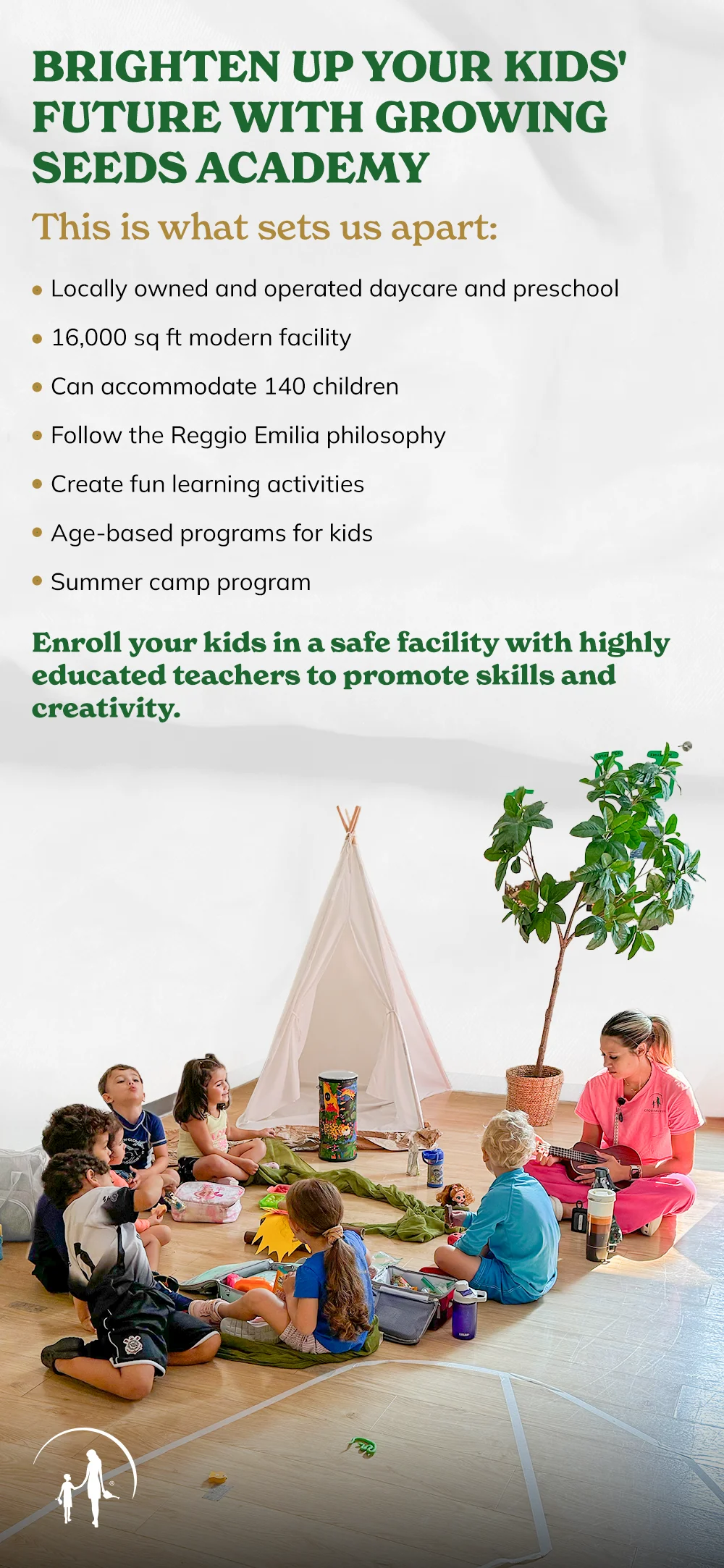
- Growing Seeds Academy offers high-quality childcare programs.
Introduction
Childcare shapes the first years of life. It supports learning and helps children grow. Parents face many choices. Each option has strengths and teaches different lessons.
Parents have a lot of choices, and this can baffle them. They get confused and may make a wrong decision, so you must learn about them. Here are the different types of childcare programs.
Types of Childcare Programs
1. Family Care
Family care is when the parents or other family members look after the little one. It happens at your place. Relatives can also look after children. Kids feel safe. They hear familiar voices and follow family routines easily.
This type of care builds trust. Children learn they are loved. They develop strong bonds and feel secure. When they feel secure, they try new things.
Family care also passes on culture. Children learn family language. They hear stories and see family traditions. These lessons shape identity.
But there are limits, as children may not meet other kids often. They may not learn to follow group rules. Social skills can grow slowly.
2. Home Daycare
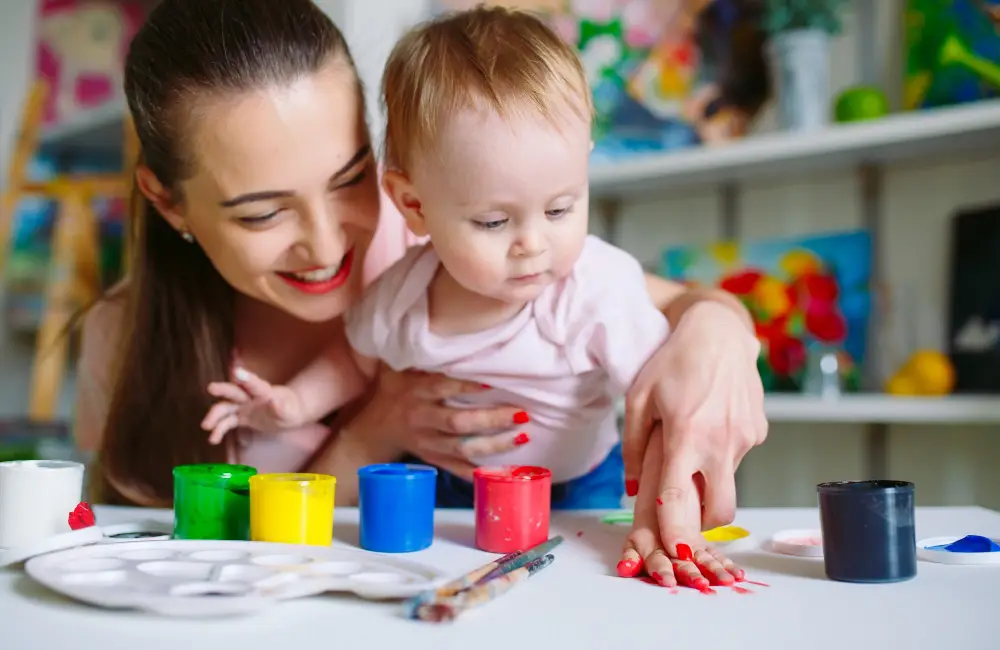
Home daycare takes care in another house. A caregiver looks after a few children. The place feels like home because the group is small. Small groups mean more attention. Caregivers notice each child. They read books and teach simple lessons. They also help with play.
Children also meet new friends. They learn to share toys and practice waiting. They solve small problems. These lessons prepare them for bigger groups. However, not all home daycares follow the same standards. Parents need to check carefully. They must ask about safety and learning plans.
3. Daycare Centers
Daycare centers serve larger groups. Many children join. Several teachers work there. The schedule is longer. Parents who work full-time often choose this option.
Centers combine play and learning. They plan art, stories, music, and naps. Children follow a routine, and this routine helps them adjust to school later.
Centers also provide social practice. Kids meet many peers, and they learn group rules. They respect schedules and join team play. Space often has more resources. Books, playgrounds, and activity rooms help children explore.
Large groups can be challenging for your child. Some quiet kids stay unnoticed. Parents must choose a center that values every child.
4. Preschools
Preschool looks like school, but for younger ages. Teachers plan lessons. The focus is on early learning. Children explore letters, numbers, art, and science. Preschool builds early skills. Kids learn to listen, and they practice speaking. They learn to take turns. Your kid will solve puzzles and enjoy projects.
Social growth also takes place. Children meet many peers. They practice respect as they play in teams. They will also build friendships.
Preschool builds habits. Kids pack their bags. They clean up, wait in line, and feel proud when they finish their duties This program gives a strong start before kindergarten.
5. Nannies
Nannies work in a child’s home. They give personal care. The child gets one-on-one support. Nannies follow the child’s routine. They prepare meals and read books. They play games and may take children outside.
This type of care feels safe and flexible. Children stay in their own space, so they feel comfortable. But it can be expensive. Children may miss group play. Parents may need to arrange extra activities for social growth.
6. Montessori Programs
Montessori programs use a special method. Children choose their own tasks. They learn by doing as they handle tools, puzzles, and art.
Montessori builds independence. Kids pour water, tie their shoes, and arrange objects. They feel proud of real tasks. It also builds focus. Children spend time on one activity. They grow patience and learn discipline. Children respect each other. They respect their work. They respect the classroom.
7. Playgroups
Playgroups run for short times, and parents may stay. Children meet in a shared place. They play with toys, sing, do art, and hear stories.
Playgroups help toddlers. They can meet friends and greet others. They practice social skills. The cost is low. The setting is simple, but care is short. Parents must arrange more hours at home.
Types of Diversity in Childcare Programs
The best childcare programs focus on diversity. Children learn from differences. They learn respect and acceptance.
Here are the types of childcare program diversity:
- Culture: Kids talk about different traditions and languages.
- Linguistic diversity: They hear different words. They grow stronger in communication.
- Ability diversity: Children with different skills learn together. They support each other.
- Family diversity: Kids see many family types. They learn respect for all.
Effects on Learning
Different types of childcare programs teach different lessons. Family care builds trust. Home daycare builds small group skills. Daycare centers build routine and wide social skills.
Preschools build learning habits. Nannies give personal attention. Montessori builds independence. Playgroups build the first social steps. Kids need adults who listen. They need spaces that spark curiosity.
Effects on Development
Learning is more than letters and numbers. It is social growth and emotional strength. It is problem-solving. Each program builds some part of this.
Family care shapes identity. Daycare centers shape teamwork, and preschool helps in early academics. Montessori shapes self-reliance, and playgroups focus on sharing. Parents must look at the whole picture. They must choose what fits the child’s needs.
Factors That Influence Childcare Outcomes
A variety of influences impact child growth and development in childcare. These factors impact child development.
- Quality of Caregiver Relationship: Positive interaction makes children feel important.
- Learning Environment: Safe and interesting places encourage kids to learn.
- Teacher Preparation: Caregivers plan age-appropriate activities.
- Ratio of Children to Teachers: Lower group sizes mean more attention per child.
Programs at Growing Seeds Academy
Growing Seeds Academy offers programs for every stage.
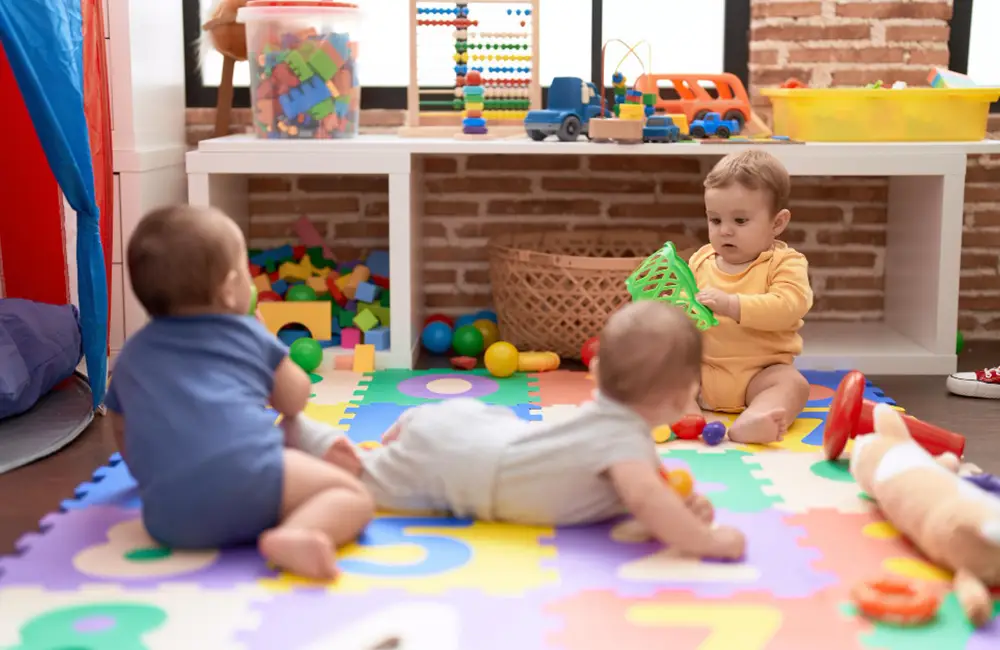
- Infant Program: Babies can learn new things while teachers stimulate motor skill development.
- Toddler Program: Toddlers develop language and thinking skills.
- Preschool Program: We follow the Reggio Emilia methodology. They learn basic things like reading and art.
- Extended Care: Families with busy schedules need flexible care. Children enjoy playing with peers.
- Summer Camp Program: Kids join fun activities. They enjoy sports, music, and adventures. Kids follow interests that may guide their future.
Wrap Up!
Growing Seeds Academy is more than a daycare. We inspire curiosity. We guide imagination and help children maximize learning.
Our child daycare center is based in Brookfield, Connecticut. Families trust us. We offer a safe and high-quality environment. Our expert teachers guide each child. Our community is warm and supportive. Parents looking for trusted childcare can schedule a tour today. Join Growing Seeds Academy now!
Frequently Asked Questions
Can childcare programs impact early learning?
Yes, they support the development of language and social skills. They build confidence. Programs also prepare children for school routines.
Are childcare programs diverse?
Yes, diversity factors include cultural, linguistic, ability, family, and learning style. These help children learn respect.