If you are a parent, or soon becoming one, you would know how important your child is to you. You spend hours thinking about their success, even if they have not been born yet. This is parenthood—a very special bond. One of the classic questions every parent has, but they don’t say it out loud, is whether they should send their child to daycare.
We understand it’s not an easy decision to make. Parents get too possessive and actually forget the benefits of early childhood learning. Perhaps, you are not even aware of it.
Well… you are on the wrong side. Early education is highly regarded. Contrary to popular belief, daycare centers are not created to look after your child. Yes, that’s true! People assume that kids in daycare just play and sing ABCs.
Here’s the truth: daycare centers providing childhood learning create pillars of a child’s development. It can be their social skills, brain development, handling of emotions, and even academic performance.
And guess what? If you’re a parent who is juggling a million things before 9 a.m., this matters a lot. Let’s have a look at some expert info!
What is Early Childhood Learning?
Early education is the formal and informal educational setup for children. It is provided to children from 0 to 5 years of age. Kids have a habit of asking questions, as they are full of curiosity. Sometimes, the questions leave parents baffled. Their little brains think a lot.
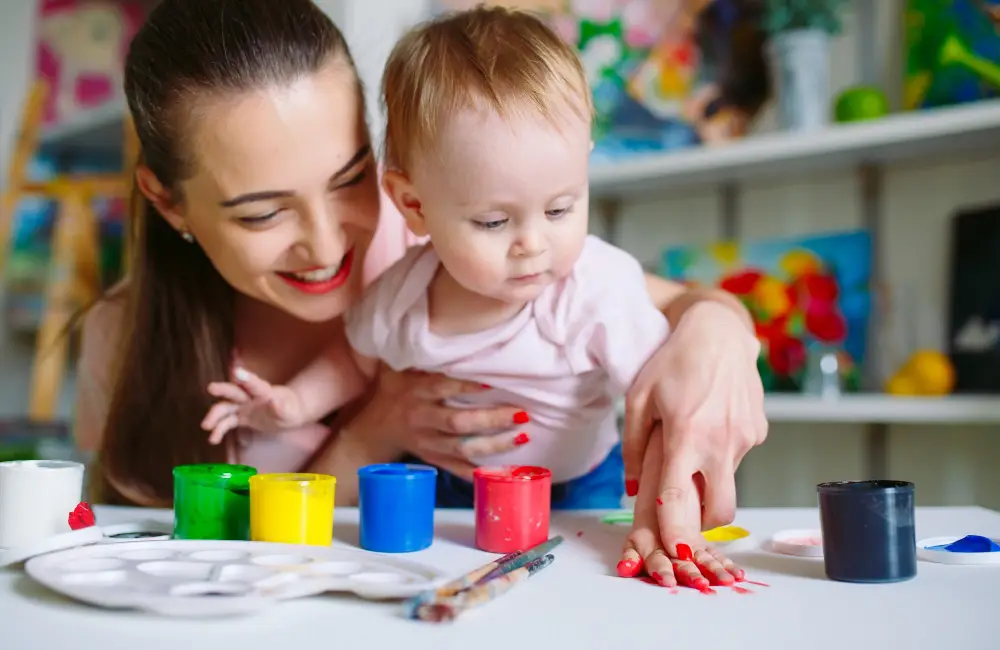
Kids absorb knowledge faster than adults learn new things. They have a different sort of learning: organizing stuff, painting, playing, speaking, and learning some basic things.
Skills of Preschool Learning
- Cognitive skills such as identifying shapes, colors, numbers, food, and sounds are developed.
- Children learn to use words and emotions to express their feelings.
- Childhood education supports their emotional growth. They learn to interact with people, and this stimulates their skills development.
- Furthermore, they develop gross motor skills by playing.
Why Early Childhood Learning is Important?
Do you want to create the best environment for your child? If yes, early years education is highly recommended. It’s a signal to enroll your infant or toddler in a learning program. These suggestions are backed by research:
1. Brain Development
The human brain reaches 90% development by age 5. Yet most children start formal schooling only at this age. How is their brain development supported? High-quality education that is provided in daycare learning environments is valuable. It defines how your child thinks and learns.
2. Forthcoming Learning
A powerful early development is directly linked to better academic success in the future. It impacts their behavior in schools and even the outside environment. Children who participate in learning programs possibly show these signs:
- Perform better at reading and math
- Do not require special education services
- Are confident in social gatherings
3. Working Parents Want Support
This is the modern era where everyone is constantly hustling and bustling. There’s a lot on everyone’s plate. Women are working, so we understand that it gets hard to balance everything in 24 hours. Doing this is just burnout.
Parents want someone to support the growth of their children. They want someone who can take care of their children like themselves. They don’t want to conduct a consultation on their children while they are in important meetings.
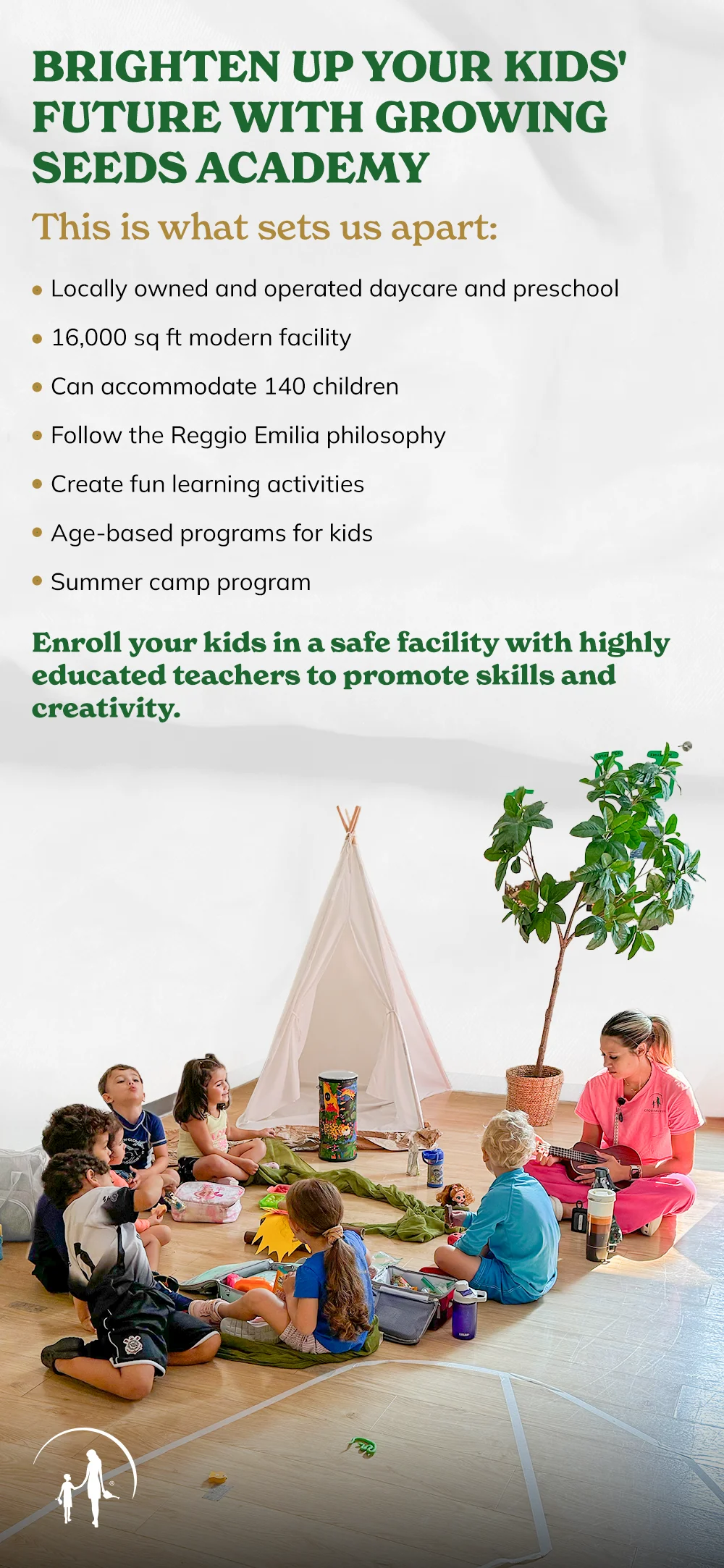
Infant care programs in Brookfield, CT, such as Growing Seeds Academy, provide high-quality services.
Benefits of Childhood Education
The majority expects children not to be pressured to learn everything so early – they will eventually do this later in life. They don’t want to burden their kids. From the outside, it appears hard.
But these little efforts are incredibly helpful. It is full of hidden benefits that develop a child’s brain and body. This is way better than staying at home. Let’s highlight in detail!
1. Boosts Brain Development
What you sow now turns into fruit later. Whatever you are putting into your child is reflected in their personality. A high-quality early learning setup is the foundation of a stronger brain. These brains develop connections in:
- Memory
- Attention
- Language analysis
- Critical thinking
Daycare centers don’t merely revolve around textbooks and coloring sheets. Here are a few examples: organizing blocks is physics, and singing is language analysis. And playing with other kids is social development.
2. Creates Social and Emotional Abilities
Children should learn basic manners during their early years. We are not referring to ABC or 123. Your kid should know how to put food on their plate and how to wait for their turn.
Above all, they should know how to handle their emotions. You cannot let a child throw everything on the floor when angry. This is achieved through structured learning programs. Kids learn to:
- Handle anger without crying on the floor
- Take turns playing with others
- Empathize with others
These are the basic pillars of healthy relationships. And yes, sometimes they’re delivered in the form of a puppet show.
3. Increases Confidence
Your kids will learn that they can do things on their own, and that’s a big achievement. They can select their activity, they can hand in their coat, they can pick up their plate, and a lot more. They even learn to resolve a mini-disagreement with words.
This self-confidence is visible in every part of their lives. Confidence at age four is not a big deal. This grows into the resilience and self-belief that is required in school. Here are some differences you will notice:
- Get into new challenges
- Speak up when they want help
- Try even after failure
- Celebrate their small milestones
4. Develops Communication Skills
In daycare centers, children will listen to stories and sing songs. They will chat all day with the teachers or other kids. Each back-and-forth chat is a skill development process.
In a high-quality learning environment, kids are stimulated with language. It can be from books, songs, peers, and even adults. They will be able to talk better, and also:
- Ask questions
- Give ideas
- Describe feelings
- Solve problems
When their preschool ends, these children will have better vocabularies. They will have good storytelling skills. You will notice a significant difference in conversation style. In simple words, they will tell everything that happened in the movie.
Our Programs
Are you a first-time parent nervous about handing your kid to someone else? At Growing Seeds Academy, we make it easier for parents. We provide early childhood education in Brookfield, CT, for infants, toddlers, and preschool children.
- Infant Program
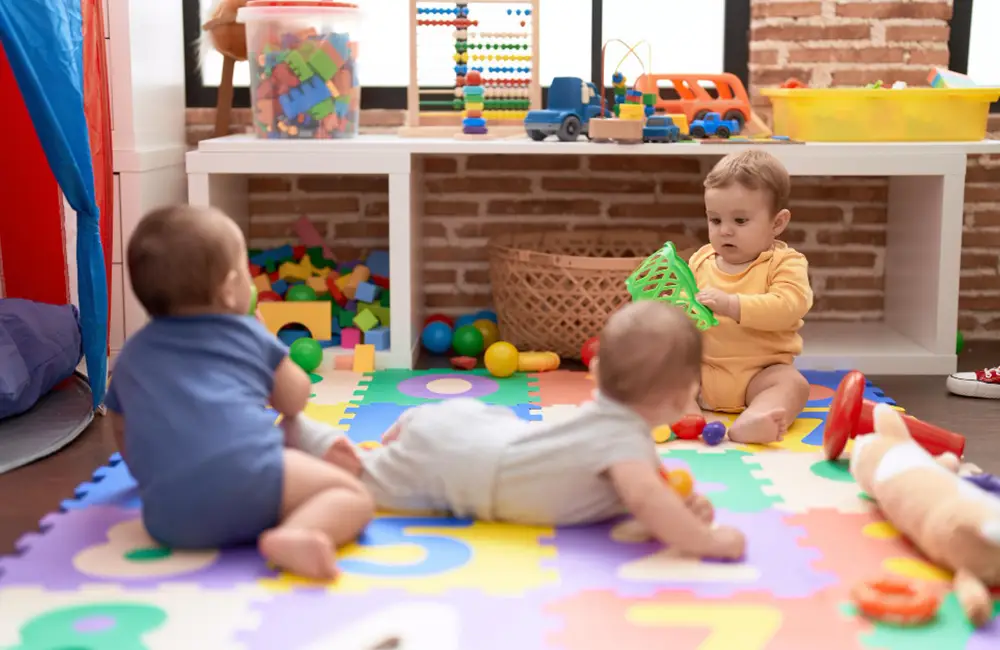
It is created for babies 6 weeks and older. At this time, we pay attention to sensory exploration.
- Toddler Program
Toddlers want to see the world on their feet and with their hands. We help them with potty training and other basic habits.
- Preschool Program
Children try to understand letters, numbers, nature, and art. In this phase, we focus on skills development.
Wrapping Up
Here’s a harsh truth: There’s no room for trial and error in childhood development. Get it before you regret it. Childhood years will fly away soon, so you must utilize them. Perhaps your child is a chatterbox or a quiet observer.
No matter what personality your child has, a good early development setup will promote their skills. At Growing Seeds Academy, we would love to support your child’s growth. Schedule a tour today.
FAQs
1. When should I start early childhood education for my child?
Early childhood education can be initiated at birth. It continues till age five.
2. What is done in early learning?
In daycare centers providing early learning, your kid will learn, develop skills, play, eat, and support brain power.
3. What should I look for in a good daycare?
Find a center that prioritizes safety and follows a good schedule. The staff should be humble and professional.
4. Can my infant benefit from early learning programs?
Yes, even babies learn through interaction and sensory play.