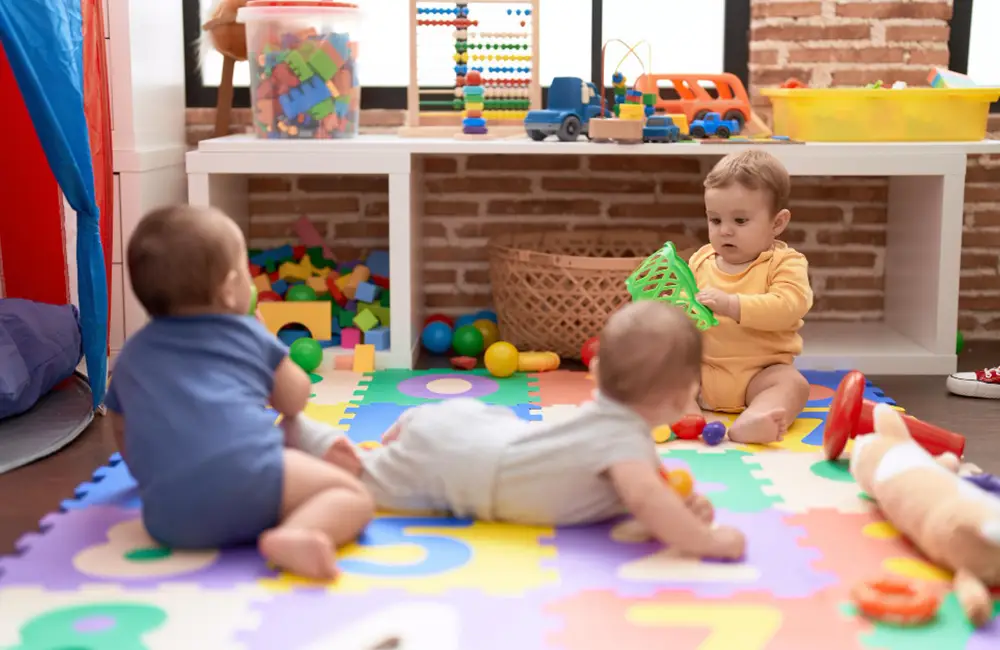
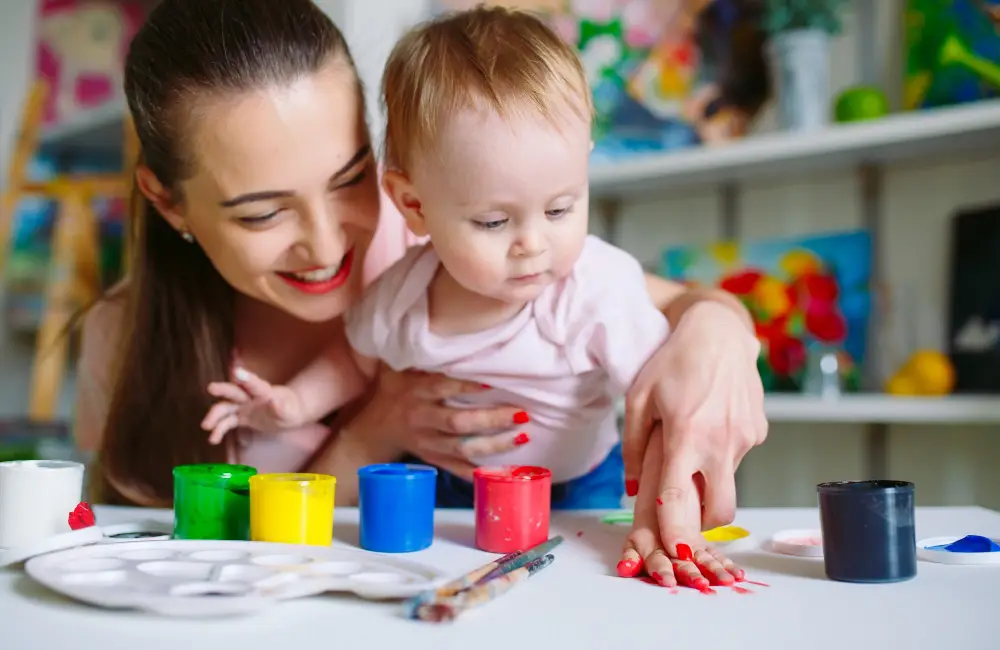
Babies learn new senses like touch, sight, and sound when they open their eyes to the outside world. Sensory play begins when their young brains begin to explore their environment. Sensory play is a part of their activities as they are growing.
Do you know what sensory play is? It includes all the activities that involve a child’s senses. Simply, it can be seeing, hearing, feeling, tasting, and smelling. That’s the five senses we have.
Using these senses, the child will learn and explore the world. Sensory play is an educational approach that supports the child’s brain development. Children are very curious (you would know if you are a parent to a toddler).
Sensory play means the kid has a chance to experience different textures and materials. They learn a variety of sensations. Let’s learn more about sensory play. You should learn about its importance in a child’s development.
What Is Sensory Play?
Sensory play is all the activities that involve sight, feel, hear, smell, and taste. In simple words, it includes all the activities that a child does because we can’t do anything without using our senses. It focuses on their five senses, with a focus on touch.
The purpose is to support learning and creativity in kids. Sensory play is an expression used to refer to various activities that make kids interact with the senses in one way or the other.
Examples of Sensory Play Activities
- Touch-Based Play
Activities like water or sand play. - Sound-Based Play
Playing with instruments or noisemakers and listening to different sounds. - Sight-Based Play
Colorful blocks or eye-catching pictures that grab the attention of the learners. - Taste-Based Play
Fruits and other safe foods introduce different flavors and textures. - Smell-Based Play
Using scented play-dough or flowers exposes kids to different scents.
Importance of Sensory Play
1. Stimulate The Brain
Sensory play is extremely useful for brain stimulation. It generates different senses simultaneously. The brain has specific neuronal circuits, which are critical for brain functioning. Sensory play for toddlers develops language and thinking skills.
2. Children Become More Adventurous
Children who are part of sensory activities for 1-year-olds are more likely to explore their surroundings. They have better observational skills as they grow up. Sensory play stimulates children to learn in a fun manner.
3. Improves Motor Skills
Parents have to focus on the fine and gross motor skills of their kids. They develop through sensory play.
Kids can acquire fine motor skills by playing with smaller pieces like beads or buttons.
Gross motor skills develop when children explore and walk around to interact with bigger toys. They support physical growth.
4. Promotes Social Interaction
Most group sensory play activities promote social skills as sharing, turn-taking, and giving verbal instructions to one another. These activities allow children to collaborate. They learn how to compromise and appreciate different ideas from their fellows.
5. Emotional Regulation
Children have to learn to express their emotions. You can not allow them to throw things in anger. Kids love to play with different textures. They learn different ways to respond. Exploring their senses develops emotional intelligence. This way, they learn to manage stress.
6. Problem-Solving Skills
Most sensory activities for preschoolers come with problems to solve. Building with blocks and sorting different-colored or sized objects are examples. Such activities support critical thinking in kids.
Benefits of Sensory Play for Toddlers
1. Assists In Memory and Reasoning
Sensory play is behind the development of brain skills. It includes memory, attention, and reasoning. For example, children learn how to match objects and sort out pictures based on their colors and shapes.
2. Encourages Imaginative Exercises
When kids mold clay and form different tiny objects, they develop creativity. They can pick up and stack objects such as playing blocks. It stimulates their imaginative thinking.
3. Develop New Vocabulary
Children interact with different materials and textures. The vocabulary of children expands with new words, which facilitates language development.
4. Improves Attention
Completing activities helps children focus on one action at a time. For the young learners, this builds up concentration and attention span. This is essential for future learning.
How to Follow Sensory Play at Home
1. Make a Sensory Bin
You can start sensory play by filling a bin with rice or pasta. Use small toys as a way to allow children to explore. This trick is simple to follow at home.
2. Play with Water or Sand
Water tables and sandboxes are very effective for sensory exploration. Children can splash, pour, and dig. It aids fine motor skills development.
3. Use Different Textures
Children will enjoy any random objects. Give them safe items such as a spatula or a soft toy. They will learn that things have different textures. They will be eager to explore more.
4. Explore Nature
Nature has a plethora of things that children find curious. Take a walk with them and motivate them to touch different things. It can have tree bark, leaves, and even flowers. Try to motivate them to hear bird songs and smell the flowers.
5. Hear Differently
Children enjoy music and even clap or bang cups. Try to engage them with music to test their hearing. Using instruments and everyday objects to create sounds works too.
How Growing Seeds Academy Improves Sensory Play
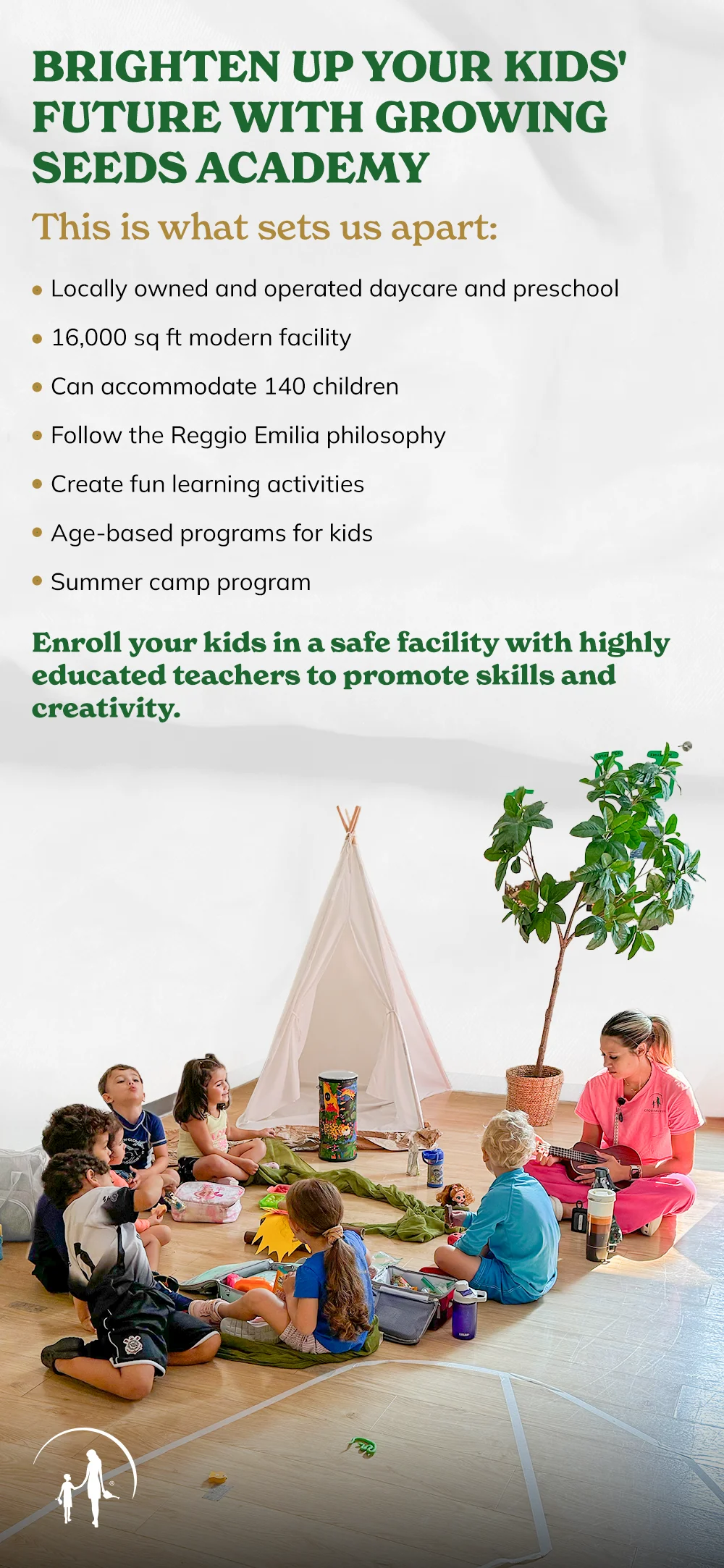
We believe that children need multidimensional opportunities. We increase these opportunities through the diverse environments for sensory play. We follow the Reggio Emilia approach, which supports child-initiated learning. Moreover, we provide hands-on activities, both indoor and outdoor, which strengthen their fine motor skills.
Why Choose Growing Seeds Academy for Your Toddler?
Growing Seeds Academy is more than a daycare. Our center has a peaceful atmosphere. Our educators pay attention to sensory play and development. Our routine is inspired by the Reggio Emilia philosophy.
This strategy supports the toddler’s curiosity and creativity. We offer a handful of engaging and safe activities. This way, children gain essential skills and develop confidence. This confidence forms a lifetime foundation.
If you want a daycare that focuses on sensory exploration for your child, then Growing Seeds Academy is perfect for you. Our day care has a learning space where educated staff take care of your child. Reach out to us to visit our facility.
In a Nutshell!
We at Growing Seeds Academy know the importance of sensory play for a child’s development. We support cognitive and motor skills development by adding sensory play as an important part of the curriculum. Contact us and visit our daycare today.
Frequently Asked Questions
1. What is the best age for sensory play?
Sensory play can benefit kids of all ages. It is highly recommended during the early years: infancy through toddlerhood.
2. How to level up a child’s creativity with sensory play?
Sensory play allows kids to experiment with materials. This is a great way to support creativity. They will become capable of solving issues.
3. Can kids with special needs benefit from sensory play?
Of course. We can modify the sensory play practices for the needs of little ones who struggle with sensory development.